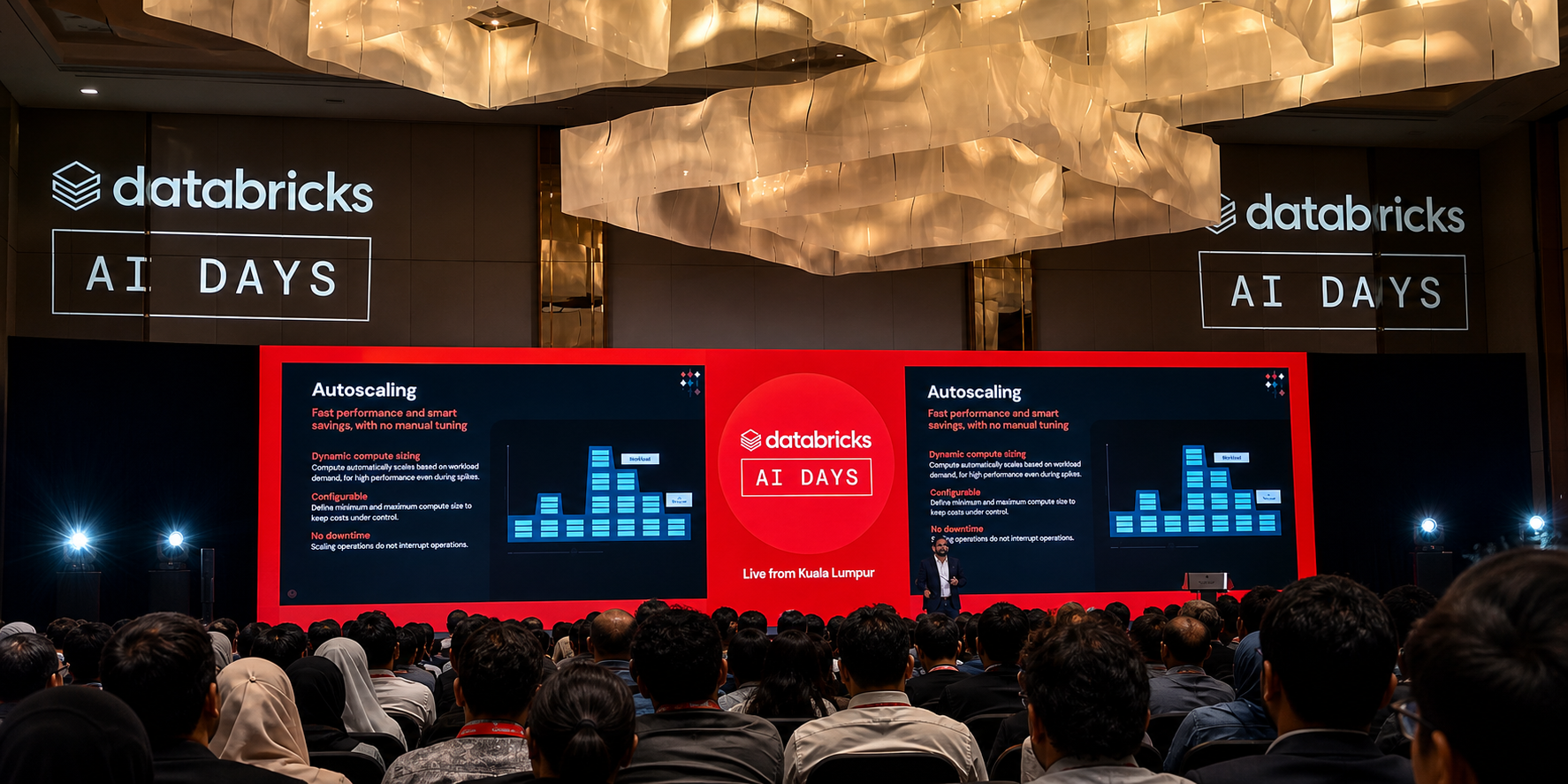
Asia Pacific’s digital transformation story is entering a new phase. After years of investing in data infrastructure, organisations across the region are now confronting a more complex challenge: turning vast volumes of data into meaningful, AI-driven outcomes. Increasingly, success is no longer defined by how much data a company holds, but by how effectively it can translate that data into intelligent decisions.
At the centre of this shift is Databricks, which has positioned itself as a unifying force in the fragmented world of data, analytics, and artificial intelligence. Its platform is designed to bring these traditionally siloed capabilities together, enabling organisations to move faster from insight to action while scaling AI initiatives across the enterprise.
The company’s global traction underscores this momentum. More than 20,000 organisations—including a substantial share of the Fortune 500—now rely on Databricks to power their data strategies. Financially, it has crossed the US$5.4 billion revenue run rate, with year-on-year growth exceeding 65%. In Asia Pacific and Japan (APJ), that pace is even sharper, surpassing 85%, reflecting a region eager to leapfrog into AI-led operations.
What distinguishes Databricks in this evolving landscape is its focus on integration. Rather than offering standalone tools, it provides a unified architecture that integrates data engineering, analytics, and AI development. Newer innovations such as Lakebase, a serverless database optimised for AI workloads, and Genie, an AI-powered assistant that enables natural language interaction with data, signal a move toward more accessible and scalable AI adoption. Supporting tools such as Agent Bricks and the Unity Catalogue further reinforce governance and production readiness—two areas often cited as barriers to enterprise AI deployment.
Across Asia, this approach is already translating into tangible outcomes. Organisations including Malaysia Airlines, PETRONAS, HSBC, and Grab are leveraging Databricks to modernise operations, enhance customer experiences, and unlock new revenue streams. These implementations highlight a broader regional trend: AI is moving beyond experimentation into mission-critical functions.
Equally important is the strength of its ecosystem. Strategic collaborations with technology leaders such as OpenAI, Microsoft, Google Cloud, SAP, and Palantir extend the platform’s capabilities, allowing customers to integrate best-in-class tools while maintaining a cohesive data foundation.
Under the regional leadership of Simon Davies, Databricks has also been expanding its footprint across the Asia Pacific, aligning closely with the needs of enterprises navigating diverse regulatory environments and varying levels of digital maturity.
As Asia accelerates toward an AI-driven future, the conversation is shifting from possibility to impact. The real differentiator now lies in execution—how effectively organizations can operationalize AI at scale while maintaining governance and trust. In this context, platforms that unify data and intelligence are becoming indispensable.
Databricks’ role, therefore, is not simply about managing data. It is about enabling a new generation of enterprises to treat data as a strategic asset—one that powers innovation, resilience, and long-term growth in an increasingly competitive regional landscape.