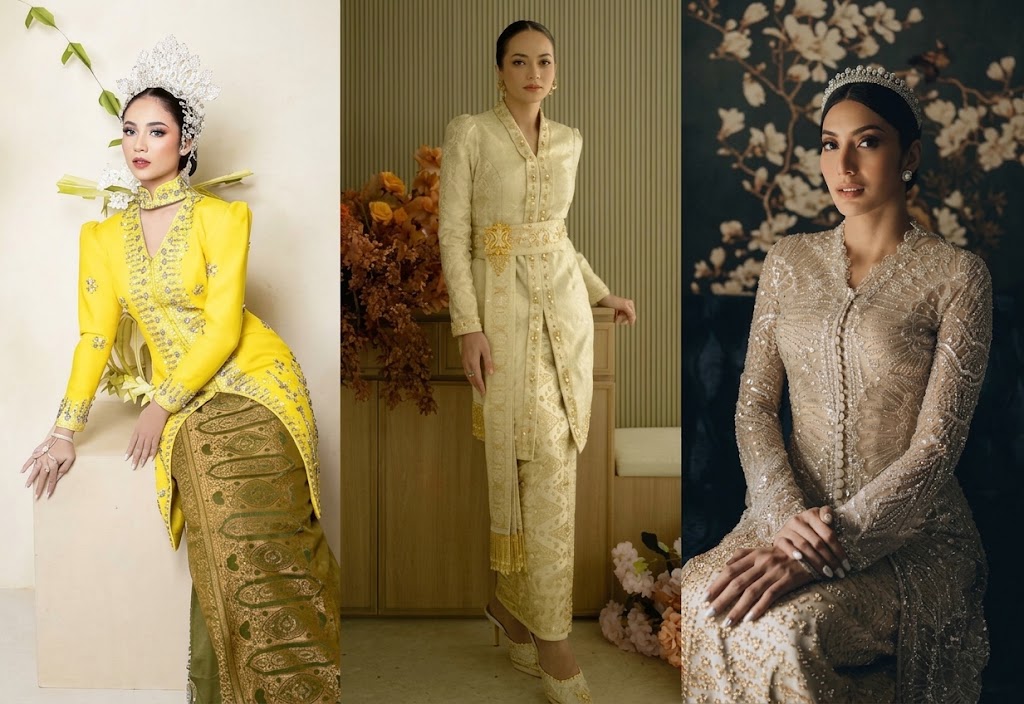
From traditional craftsmanship to contemporary designs, the kebaya continues to evolve while maintaining its place in Malaysia’s cultural and fashion identity
Fashion trends come and go, but some traditional garments continue to hold their place across generations. The kebaya is one example, remaining relevant in modern fashion through its timeless design, cultural significance and ability to adapt to changing lifestyles.
Once commonly associated with traditional occasions and cultural celebrations, the kebaya is now finding its way into contemporary wardrobes. Younger generations are increasingly exploring ways to wear the garment through updated designs, different fabric choices and modern styling.
This continued interest highlights how traditional fashion can remain relevant without losing the identity that makes it meaningful.
A Traditional Garment with Cultural Significance
The kebaya has a long history across Southeast Asia, with different communities developing their own interpretations of the garment over time.
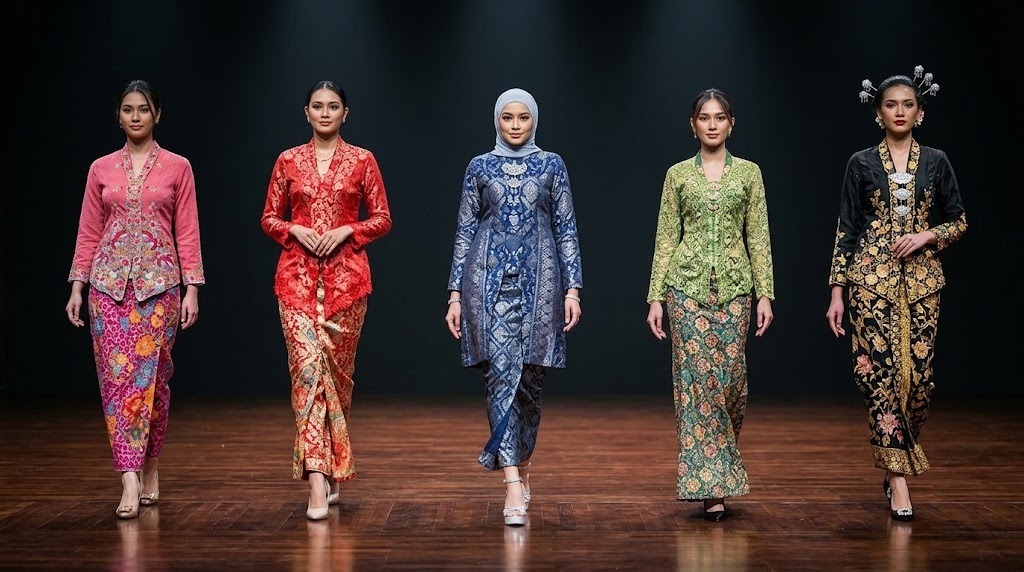
In Malaysia, it is associated with various cultural communities, including Malay, Peranakan, Chetti and Portuguese communities. Its designs can vary in terms of cutting, embroidery, fabrics and accessories, reflecting the diversity of traditions surrounding the garment.
Its cultural importance received wider international recognition in December 2024, when the kebaya was included in UNESCO’s Representative List of the Intangible Cultural Heritage of Humanity through a multinational nomination involving Malaysia and other Southeast Asian countries.
This recognition highlights the importance of protecting traditional knowledge, craftsmanship and cultural practices associated with the garment.
However, preserving the kebaya does not necessarily mean keeping it unchanged. Its continued presence in modern fashion demonstrates how heritage can remain meaningful as society evolves.
How Modern Designers Are Reintroducing the Kebaya
One of the reasons the kebaya continues to attract attention is its versatility.
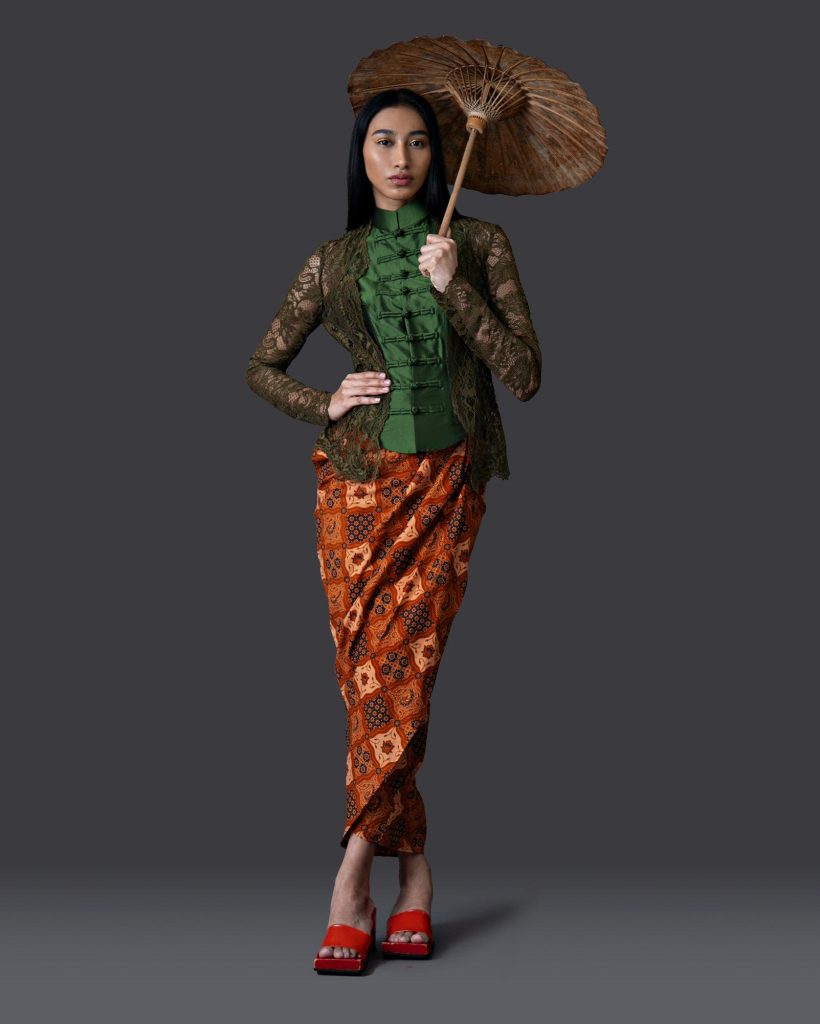
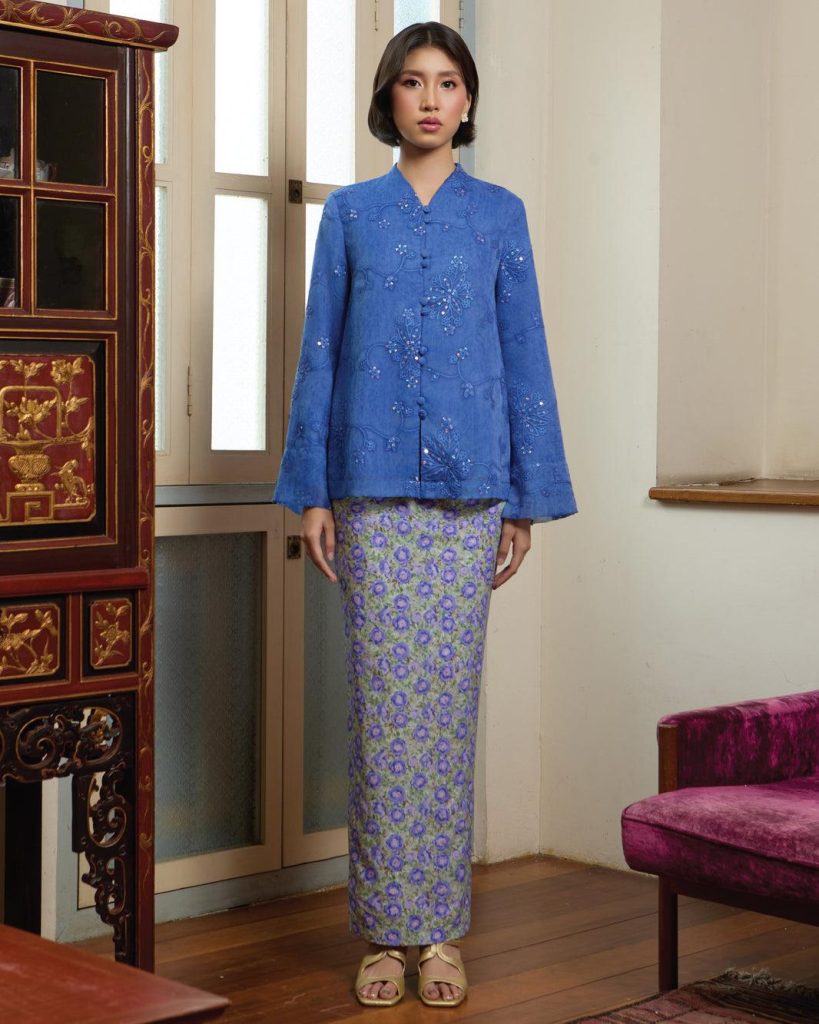
Modern designers are experimenting with different silhouettes, fabrics and decorative details to introduce fresh interpretations of the traditional garment. Some collections maintain classic embroidery and traditional cuts, while others incorporate contemporary tailoring and more relaxed styling.
These adaptations allow the kebaya to appeal to women with different fashion preferences and lifestyles.
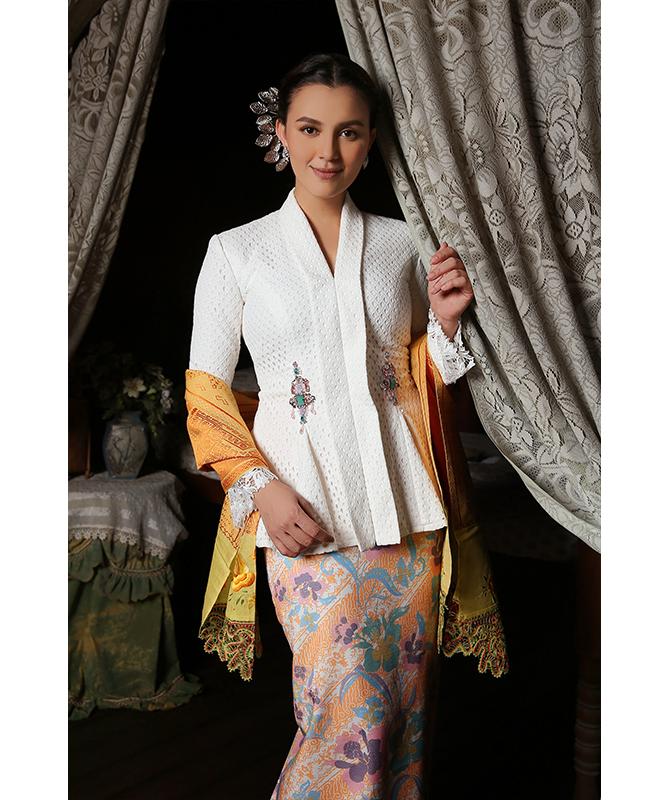
For example, contemporary styling may pair a kebaya top with modern skirts, trousers or other suitable pieces. This gives younger consumers more flexibility in incorporating traditional elements into their everyday wardrobes.
The development also creates opportunities for local designers to combine creativity with cultural inspiration, bringing traditional fashion into new markets.
Opportunities for Local Fashion Businesses
The growing interest in traditional fashion also presents opportunities for Malaysia’s fashion industry.
Local boutiques, independent designers, textile businesses and skilled artisans can benefit from renewed consumer interest in heritage-inspired clothing.
Kebaya-making involves more than producing a garment. Details such as embroidery, lacework, fabric selection and careful tailoring require specialised skills and craftsmanship.
By introducing contemporary collections while maintaining traditional elements, fashion businesses can reach younger consumers without completely moving away from their heritage.
This creates opportunities for businesses to develop distinctive products in an increasingly competitive fashion market.
However, maintaining quality and authenticity remains important. Modernisation should not come at the expense of the craftsmanship and cultural knowledge that give the kebaya its identity.
Passing Traditional Fashion to the Next Generation
For traditional garments to remain relevant, younger generations need opportunities to understand, appreciate and wear them.
Fashion shows, cultural exhibitions, social media and collaborations with contemporary designers can help introduce the kebaya to audiences who may not have previously considered wearing traditional attire.
These platforms also allow artisans and designers to share the stories behind their creations, helping consumers understand the cultural value beyond the appearance of the garment.
The future of the kebaya therefore depends not only on preserving its traditional designs but also on encouraging new generations to become part of its journey.
Keeping Heritage Relevant in a Changing Fashion Industry
The kebaya’s continued presence in modern fashion demonstrates that tradition and innovation do not have to compete.
As consumer preferences change, traditional garments can find new audiences through thoughtful design, creative styling and greater appreciation of cultural heritage.
For Malaysia’s fashion industry, this represents an opportunity to support local creativity while preserving valuable traditional craftsmanship.
Ultimately, the kebaya is more than a piece of clothing. It represents history, identity and the skills passed down through generations. Its ability to evolve while retaining its cultural significance is what allows this traditional garment to remain timeless.