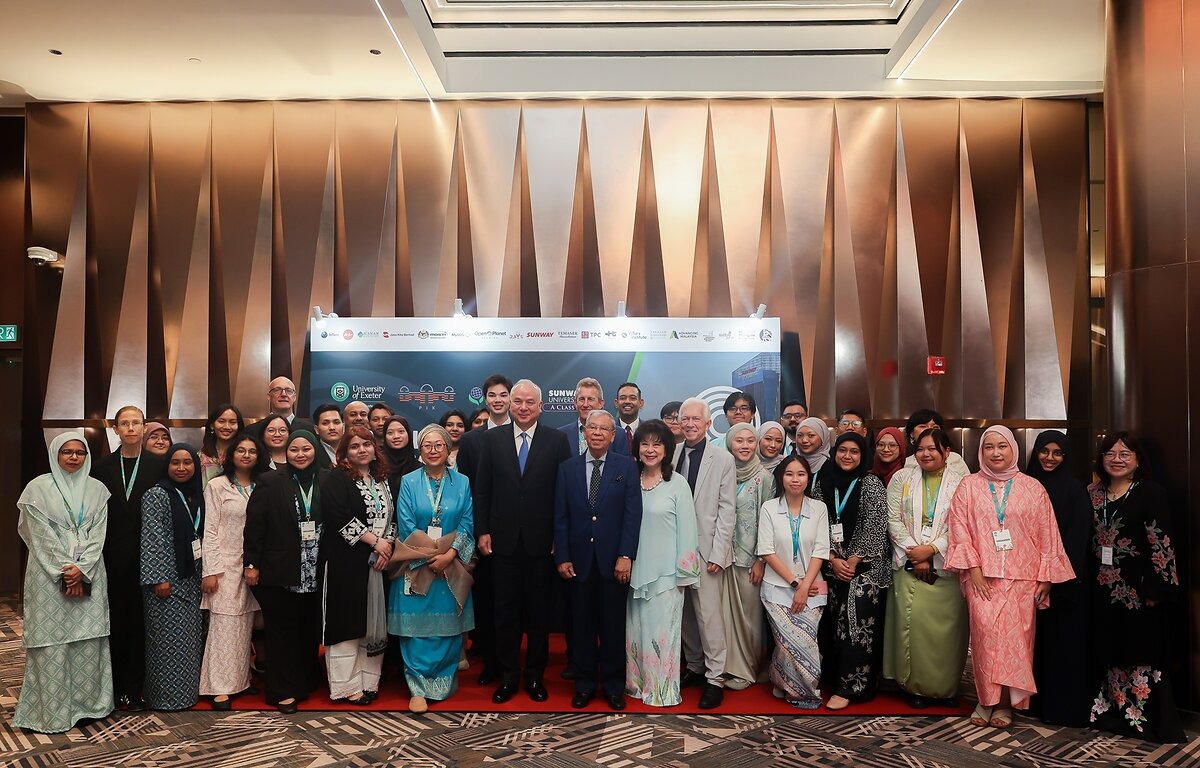
The Global Tipping Points Conference 2026 (GTP 2026) was recently held at Sunway University, marking the first time the landmark global gathering was hosted in Asia.
Malaysia’s recent sustainability discussions highlight why businesses across Asia need to look beyond short-term growth and consider the environmental challenges that could affect their future.
Sustainability Is Becoming a Business Priority
Sustainability is no longer just an environmental issue. It is also becoming an important consideration for businesses as they plan for long-term growth, manage risks and respond to changing market expectations.
The Global Tipping Points Conference 2026, held at Sunway University in Malaysia from 12 to 15 October, brought together more than 500 participants from 37 countries. The event gathered scientists, policymakers, investors and business leaders to discuss how countries and organisations can respond to major environmental challenges.
One of the key outcomes was the Kuala Lumpur Tipping Points Declaration, which calls for stronger action from governments, businesses and other groups to support a more sustainable and resilient future.
The conference also announced plans for the first Asia Tipping Points Report, which is targeted for release in 2028. The report aims to bring together regional research and practical examples to better understand environmental and social challenges across Asia.
Why Should Businesses Pay Attention?
Environmental changes can affect businesses in several ways, from supply chain disruptions to higher operating costs and changing customer expectations. Companies that depend on natural resources, transport networks or energy may face additional challenges when environmental conditions become more difficult to manage.
For example, extreme weather can disrupt deliveries, damage facilities and affect the availability of raw materials. These disruptions may increase costs and make it harder for businesses to maintain their operations.
Preparing for these risks can help companies make better decisions and reduce the impact of unexpected disruptions. This includes reviewing business continuity plans, improving resource management and identifying areas where operations can become more efficient.
Sustainability can also influence how customers, business partners and investors view a company. Businesses that take practical steps to manage their environmental impact may be better prepared to meet changing expectations.
Practical Steps Companies Can Take
Businesses do not need to make major changes overnight to start improving their sustainability practices. Small, consistent improvements can be a useful starting point.
Companies can begin by reviewing their energy and water consumption, reducing unnecessary waste and maintaining their buildings and equipment properly. These steps can help organisations identify inefficiencies while supporting more responsible resource use.
Businesses can also review their suppliers and consider environmental risks when making purchasing decisions. For smaller businesses, starting with affordable and practical improvements may be more manageable than introducing a large sustainability programme immediately.
Most importantly, companies should measure their progress and communicate their efforts honestly. Clear and accurate reporting helps build trust with customers, employees and business partners.
The Role of Collaboration in Building a Resilient Future
Environmental challenges are rarely limited to one company or country. Businesses often depend on suppliers, customers and partners across different regions, which means that cooperation can play an important role in preparing for future risks.
The Kuala Lumpur Tipping Points Declaration reflects the importance of collective action across different sectors. For businesses, this can mean sharing knowledge, working with industry partners and supporting initiatives that encourage more sustainable practices.
Malaysia’s role in hosting the conference also creates an opportunity to bring greater attention to sustainability discussions in the region. As Asia continues to develop economically, balancing business growth with environmental responsibility will remain an important challenge.
Looking Ahead
The Global Tipping Points Conference 2026 has placed sustainability and regional cooperation at the centre of an important discussion about Asia’s future.
For businesses, the message is clear: preparing for environmental challenges should be part of long-term planning, rather than something considered only when problems arise.
Companies that understand their risks, use resources more efficiently and work towards practical improvements can take meaningful steps towards building more resilient operations.
As the region continues to grow, the ability to adapt to environmental changes may become an increasingly important part of sustainable business development.